What a new floor costs in Utah.
Eight materials, installed ranges from Salt Lake City to St. George, and a cost estimator that runs in the page. No forms, no email gate, and nobody calls you afterwards.
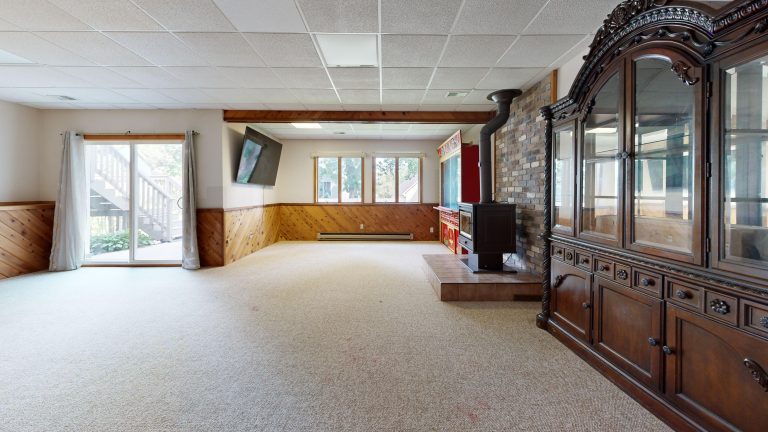
Basement
On a slab, below grade, and usually the last room to be finished.
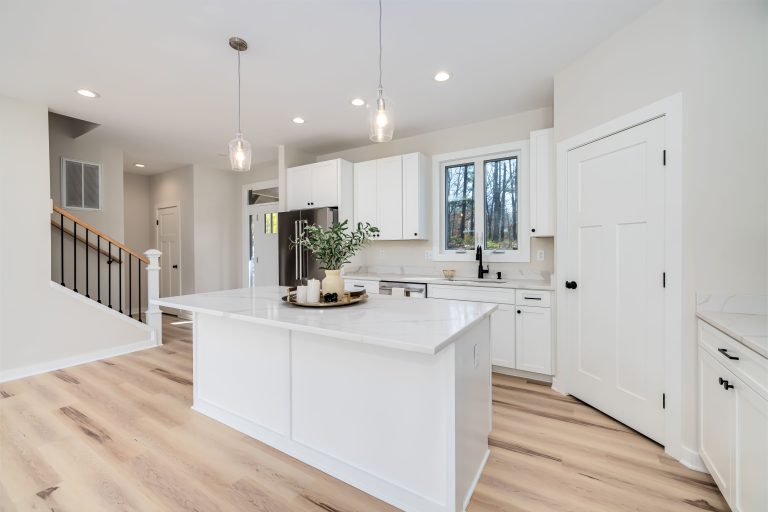
Kitchen
Spills, chairs and standing all evening.
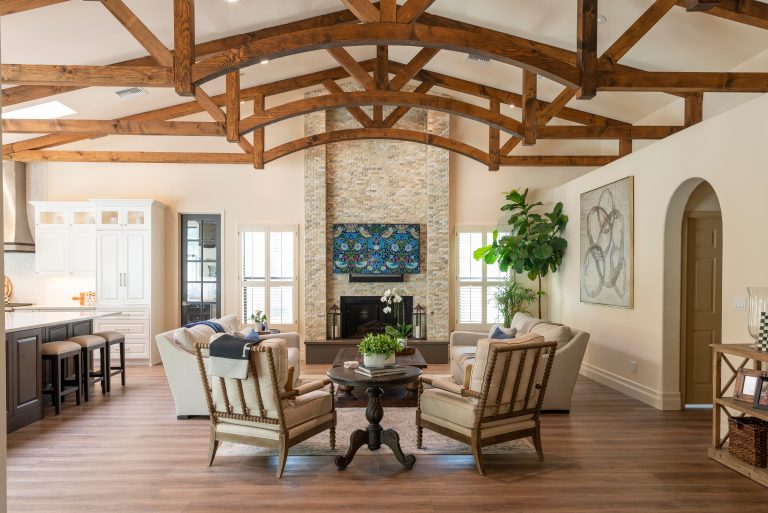
Living room
The floor everyone sees first.
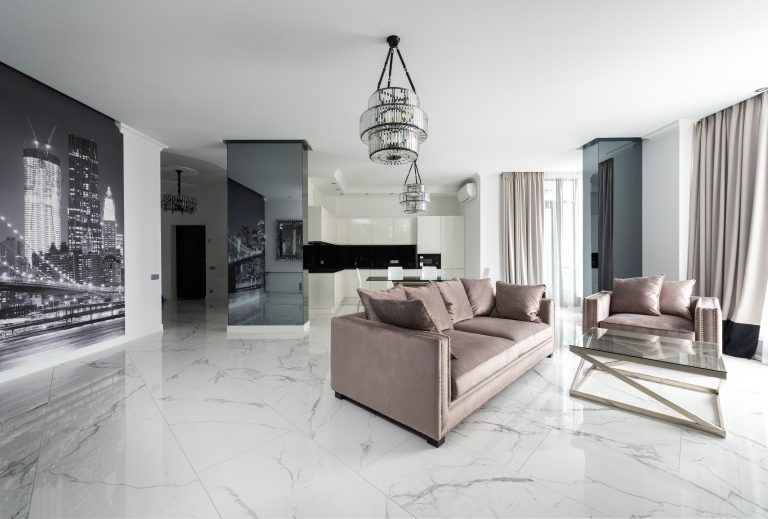
Entry & mudroom
Canyon dust, snowmelt and everything the door lets in.
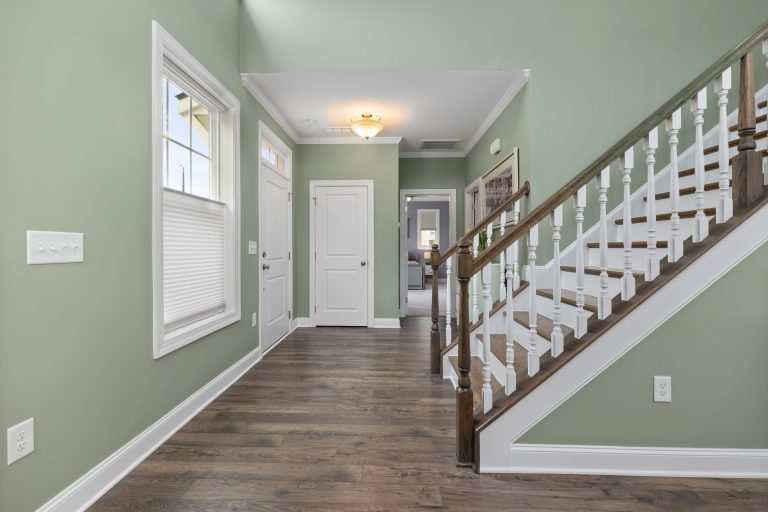
Stairs
The most-walked surface in the house.
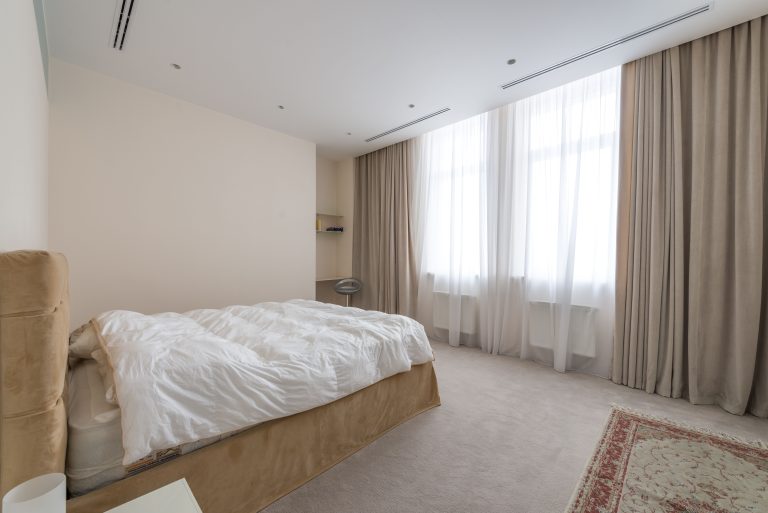
Bedrooms
Quiet, warm, and the cheapest room to get right.
Eight kinds of floor
What each one is good at, what it costs installed here, and the rooms where it is the wrong answer.
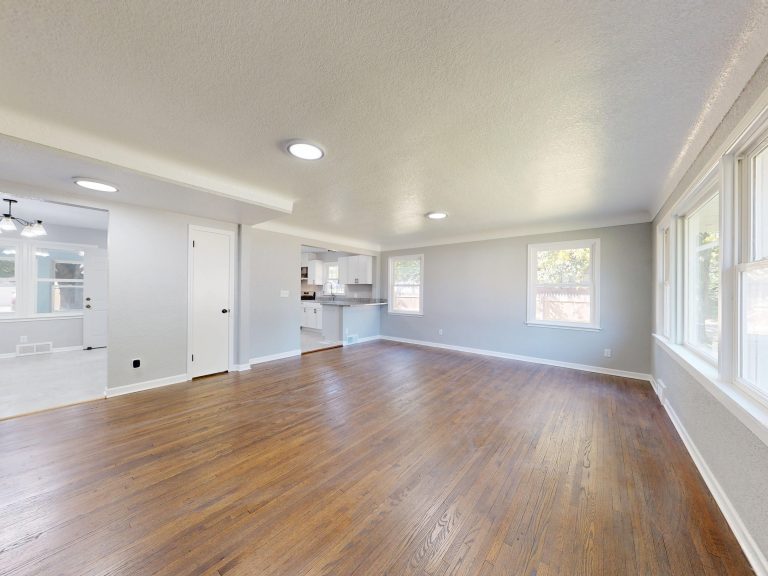
Hardwood
Solid and engineered. Still the best resale return on this list.
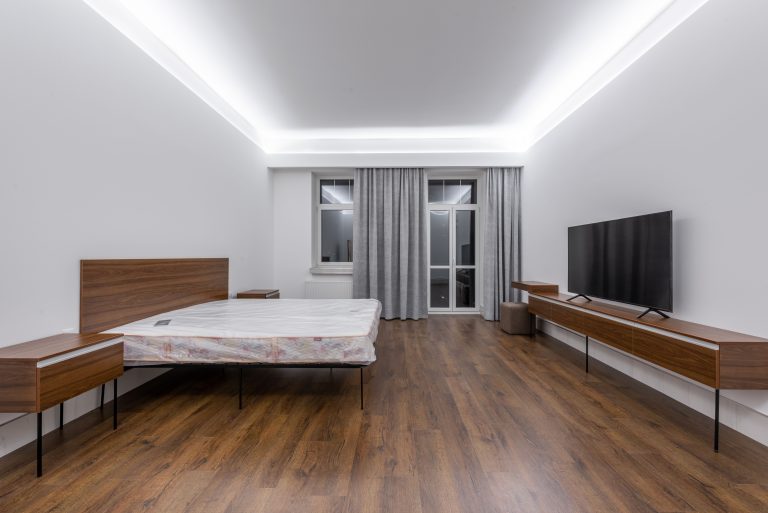
Luxury Vinyl Plank
Waterproof, and the usual answer on a slab that is still drying.
Carpet
Bedrooms, stairs and the finished basement.
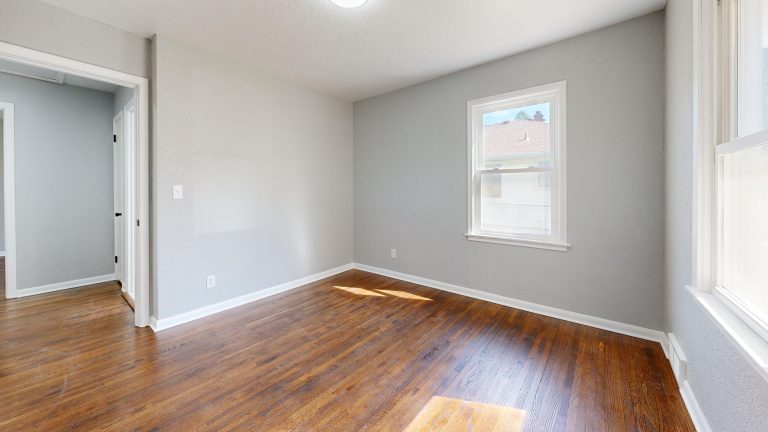
Refinishing
Sand, stain and seal the boards already under the carpet.
Tile & Porcelain
Entries, mudrooms and anywhere the canyon dust lands.
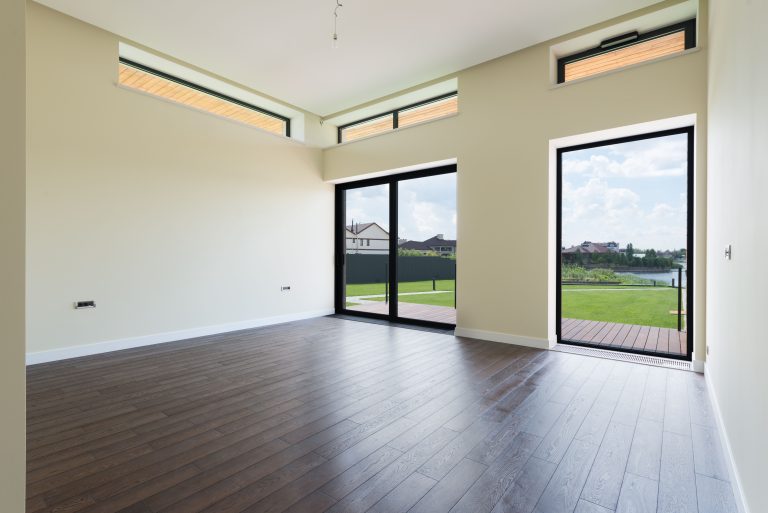
Laminate
The budget end done properly — and where it is a false economy.
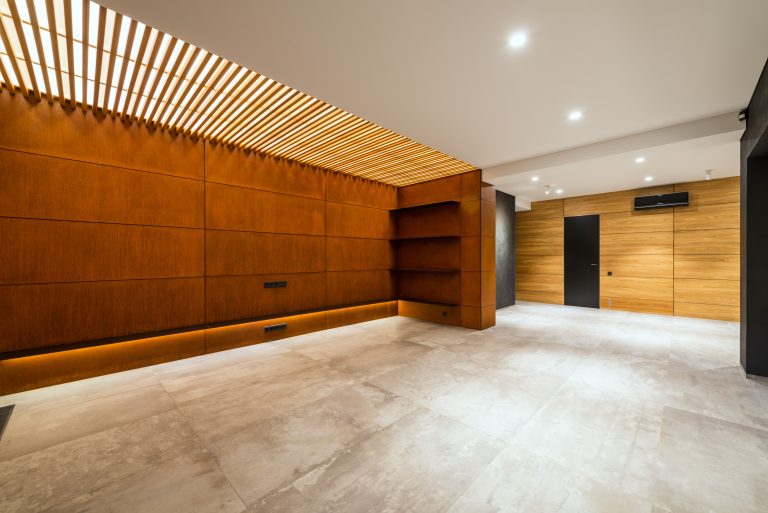
Natural Stone
Entries and great rooms, where the floor does the talking.
Stairs & Landings
Treads, risers and railings, split-entry included.
Installed ranges across Utah
Materials and labor together. The Salt Lake City metro sets the top of each band; Utah County and southern Utah sit just under it, and Ogden and Davis County at the bottom.
| Work | Installed range | |
|---|---|---|
| Hardwood, installed | $6 – $22 | per sq ft |
| Luxury vinyl plank | $2 – $12 | per sq ft |
| Carpet, installed | $2 – $8 | per sq ft |
| Laminate | $3 – $9 | per sq ft |
| Refinish existing boards | $3 – $8 | per sq ft |
| Tile, installed | $9 – $15 | per sq ft |
| Removing the old floor | $1 – $4 | per sq ft |
An estimate, not a quote. These are planning ranges for Utah, not a quote. What you actually pay depends on your rooms, your subfloor and the material you choose.
Work out your own number
Your room, your material, what is already down. It runs in the page, it does not ask for your email, and nobody calls you afterwards.
- Runs entirely in your browser — nothing is sent anywhere unless you ask us to email it.
- Splits the number into materials, labor and the extras that actually move a flooring bill.
- Regional labor differences are applied to labor only, because that is the part that varies.
- No email required, no phone number, and nobody calls you.
Four things that are specific to Utah
Utah is a new-construction state, and that means the slab
Almost 39% of every home in Utah was built in 2000 or later — 51.6% in Utah County and 56.9% in Washington County. A new house means a new concrete slab, and concrete keeps giving up water for months after the surface looks and feels dry. Flooring laid over a slab that has not finished drying debonds, peaks at the seams, or grows mold underneath. It is the single most common new-build flooring failure in this state, and it is entirely preventable.
Ask for the RH number, not the calendar
The rule of thumb is roughly thirty days of drying per inch of slab thickness in good conditions, but conditions are rarely good and the calendar is not the test. The test is ASTM F2170: in-situ probes drilled to 40% of the slab depth (20% if it can dry from both sides), left to equilibrate at least 24 hours, three of them for the first 1,000 square feet and one more per additional 1,000, with one within three feet of every exterior wall. Most wood flooring wants 75–80% relative humidity or below; sheet vinyl and LVT usually allow a little more. Ask what the probes read and where they were placed.
Then the problem inverts, and the air takes over
Once the slab is dry, Utah stops being a moisture problem and becomes a dryness one. Indoor humidity through a Utah winter runs very low, wood gives up moisture to dry air and shrinks across the width of every board, and gaps open at the seams. Holding the house somewhere in the 30–40% range through the heating season is what keeps a wood floor tight. The two halves of the year pull in opposite directions, which is why a floor here is worth acclimating properly rather than fitting the week it arrives.
Carpet and vinyl need no license here — and that is written into the rule
Utah does license flooring work: the S220 Carpentry and Flooring classification covers laminate, tile, wood and synthetic wood flooring, sanding, staining and finishing, and the underlayment and subfloors beneath them. But the same rule expressly exempts carpet, vinyl sheet, vinyl tile and vinyl plank installation, on the basis that it does not significantly affect public health, safety or welfare. So an unlicensed carpet or LVP installer in Utah is operating exactly as the state intends, and treating that as a warning sign is simply wrong. For hardwood, tile and refinishing, asking about S220 is a fair question — alongside insurance, references and a written contract, which are the checks that actually predict how a job goes.
of Utah homes were built in 2000 or later
of slab depth, where an in-situ RH probe belongs
slab RH most wood flooring will accept
between Salt Lake City and Lehi at the median
Across Utah
Nine Utah cities, each with its own housing stock and its own answer. Every figure on these pages is that city's own Census number, not a state average.
Questions people actually ask
How long does a new concrete slab need before flooring goes down?
Long enough to pass a moisture test, which is not the same as a number of weeks. The rule of thumb is about thirty days per inch of thickness in good drying conditions, but the answer that matters comes from an in-situ relative humidity probe under ASTM F2170, drilled to 40% of the slab depth and left to equilibrate at least 24 hours. Most wood flooring wants 75–80% RH or below.
What happens if flooring goes down over a slab that is still wet?
The moisture has nowhere to go but up, into the adhesive and the flooring. Glued floors debond, seams peak, engineered wood cups, and organic growth can start underneath where nobody sees it until there is a smell. None of it shows up on day one, which is why the test matters more than how the slab looks.
Do I need a licensed contractor to install flooring in Utah?
It depends on the material, and the rule is unusually clear. Utah's S220 Carpentry and Flooring classification covers wood, laminate, tile, sanding and finishing, underlayment and subfloors. Carpet, vinyl sheet, vinyl tile and vinyl plank installation are expressly exempt as work that does not significantly affect public health, safety or welfare. An unlicensed carpet or LVP installer here is operating exactly as the rule intends. Insurance, references and a written contract are the checks worth making in either case.
Why do my wood floors gap in the winter in Utah?
Dry air. Indoor humidity through a Utah heating season runs very low, and wood releases moisture into dry air and shrinks across the width of each board, opening gaps at the seams. Holding the house in the 30–40% range through winter is what keeps it in check. A floor that was properly acclimated before installation gaps far less.
Is my Salt Lake City house likely to have hardwood under the carpet?
More likely than anywhere else in the state. A third of Salt Lake City's housing predates 1940 and the median home was built in 1965, so original oak under carpet is a routine find rather than a lucky one. Ogden is the other good bet at 27.8% prewar. In Lehi or St. George, where three-quarters of the housing went up this century, it is essentially never there.